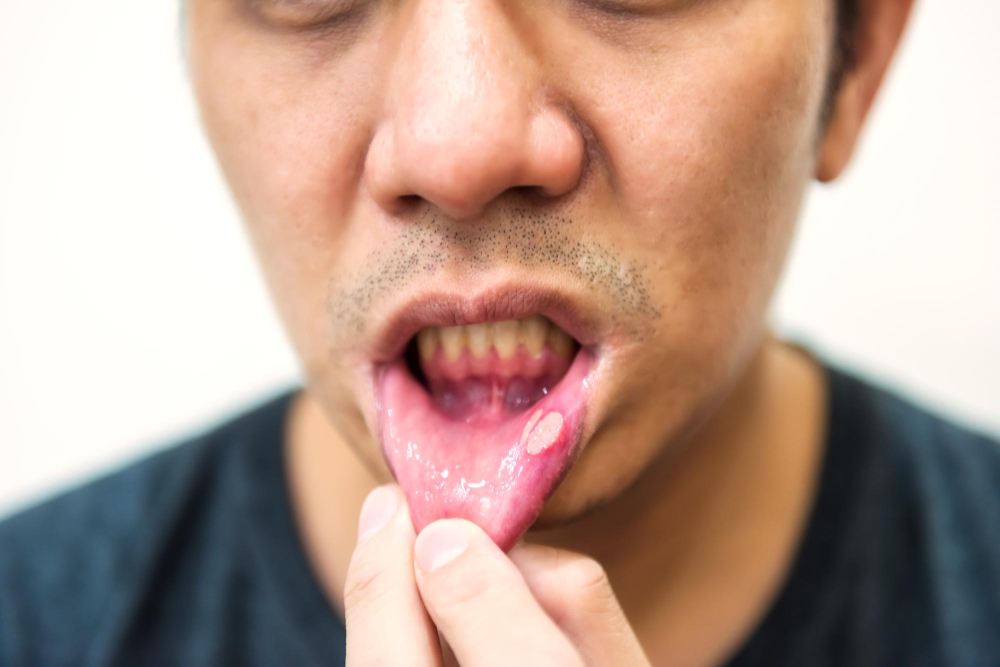
What is an Oral Ulcer?
An oral ulcer is a small, painful sore that forms inside the mouth. These sores can appear on the tongue, gums, inner cheeks, or lips. Often, oral ulcers are also called mouth ulcers or canker sores. While most oral ulcers are harmless, they can cause discomfort while eating, drinking, or talking. Because they are common, many people want to know about mouth ulcer causes, oral ulcer symptoms, and oral ulcer treatment. Understanding how to prevent oral ulcers can help you avoid future problems.
Common Causes of Oral Ulcers
There are many reasons why oral ulcers may develop. Sometimes, the cause is clear. Other times, it is hard to find the exact reason. However, knowing the common causes can help you avoid them. Here are some frequent triggers:
In rare cases, oral ulcers may be a sign of a more serious health problem. Therefore, it is important to watch for other symptoms.
Symptoms of Oral Ulcers
Oral ulcers have some clear signs. Usually, they start as a small, round, or oval sore inside the mouth. But, other symptoms can also appear. Here are some common oral ulcer symptoms:
Most oral ulcers heal within one to two weeks. However, if the sore lasts longer, you should seek medical advice.
How Oral Ulcers are Diagnosed
Doctors can often diagnose an oral ulcer by looking at it. First, they will ask about your symptoms and medical history. Next, they may check for possible causes, such as recent injuries or new foods. Sometimes, they may order blood tests to check for vitamin deficiencies or other health problems. In rare cases, a small sample of the sore may be taken for testing. This helps rule out infections or more serious conditions. Most of the time, no special tests are needed.
Treatment Options for Oral Ulcers
Most oral ulcers heal on their own. Still, there are ways to ease pain and speed up healing. Here are some common oral ulcer treatment options:
If your ulcer is large, very painful, or does not heal, your doctor may prescribe stronger medicines. Sometimes, mouthwashes with steroids or antibiotics are used. Always follow your doctor’s advice for the best results.
Prevention Tips for Oral Ulcers
Although not all oral ulcers can be prevented, you can lower your risk by following some simple steps. Here are some helpful tips on how to prevent oral ulcers:
By following these steps, you can reduce your chances of getting mouth ulcers.
When to See a Doctor
Most oral ulcers are not serious. However, you should see a doctor if:
Early medical advice can help find the cause and prevent problems. If you are worried, it is always best to ask a healthcare professional.
If you have persistent or painful oral ulcers, consult an ENT specialist for personalized advice.