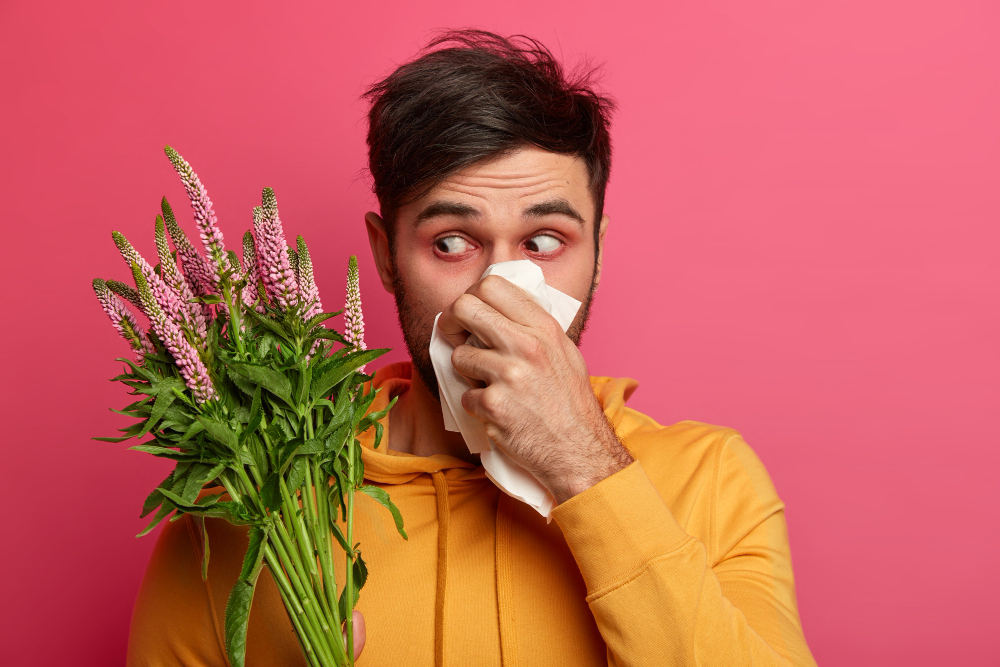
What is Allergic Rhinitis?
Allergic rhinitis, also called hay fever, is a common condition. It happens when your immune system reacts to things like pollen, dust, or pet dander. Because of this reaction, your nose and eyes may feel itchy or runny. Many people experience allergic rhinitis in the spring or fall, but it can happen year-round. According to the CDC, millions of people worldwide deal with allergic rhinitis every year. If you live in a city or rural area, you can still be affected. Early recognition helps you manage symptoms better.
Common Symptoms
Allergic rhinitis symptoms can be mild or severe. However, they often make daily life uncomfortable. You may notice symptoms right after being exposed to allergens. Common hay fever symptoms include:
Sometimes, symptoms can last for weeks. But with the right care, you can feel better.
Causes and Risk Factors
Allergic rhinitis happens when your body reacts to harmless things in the air. These things are called allergens. For example, pollen from trees, grasses, or weeds is a common cause. Other triggers include:
Some people are more likely to get allergic rhinitis. If you have a family history of allergies, your risk is higher. Children and young adults often develop symptoms, but anyone can be affected. Living in areas with high pollen or pollution can also increase your risk.
Diagnosis
Doctors diagnose allergic rhinitis by asking about your symptoms and medical history. They may also do a physical exam. Sometimes, allergy testing is needed. For example, a skin prick test can show what you are allergic to. Blood tests may also help. Early diagnosis is important because it helps you find the best allergic rhinitis treatment.
Treatment Options
There are many ways to treat allergic rhinitis. Your doctor may suggest one or more of these options:
Because everyone is different, your doctor will help you choose the best allergic rhinitis treatment for you.
Lifestyle Tips and Prevention
Managing allergic rhinitis is easier with some simple steps. For example, you can:
With these tips, you can lower your exposure to allergens. As a result, your symptoms may improve.
When to See a Doctor
Sometimes, allergic rhinitis symptoms do not get better with home care. If you have trouble breathing, severe headaches, or symptoms that last for weeks, see a doctor. Also, if over-the-counter medicines do not help, you may need a different treatment. Early help can prevent problems like sinus infections or asthma attacks.
For the best results, consult an ENT specialist for personalized advice on managing allergic rhinitis.